Posted by jgfhf fgdgdf
Filed in Recreation 2 views
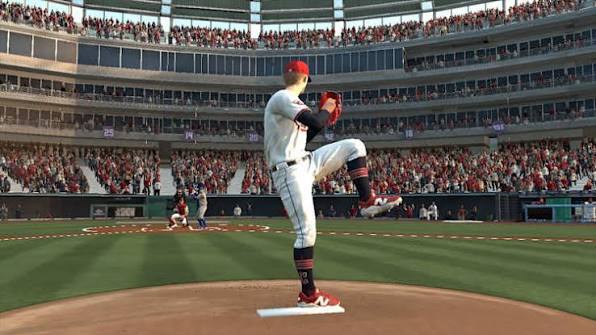
Low-and-away sliders have become a real test of discipline in MLB The Show 26, especially in same-handed matchups. After Update 14, the PCI feels more forgiving against breaking balls in that corner, but only when your timing and placement are already close. That makes MLB 26 stubs useful for building a deeper lineup, yet no card upgrade will fix a hitter who keeps chasing below the zone. The better approach is to treat this pitch as a read-and-react battle, not an automatic take.
The patch improved PCI effectiveness against low-and-away breaking balls in same-handed situations. You'll notice it most when a right-handed hitter faces a right-handed pitcher and the slider finishes near the edge rather than completely off the plate. Solid contact is more realistic now, but the timing window is still strict. A common mistake is holding the PCI too far outside before the pitch breaks, then dragging it back late. Start closer to the middle, track the release, and make the smallest possible adjustment. Early in a game, that approach produces controlled singles. Later, it gives you a better chance to punish predictable slider patterns.
Fixed Zone can be helpful because the left stick holds its position after release. That matters when you're trying to stay locked on the low-away corner instead of losing the PCI during a rushed adjustment. PCI sensitivity is more personal, but moving from the default feel toward one point one or one point two can make high-velocity pitches easier to track. Don't assume the higher setting is automatically better. Casual players may prefer one point one for stability, while competitive grinders who already control the PCI may get more value from one point two.
For pitchers, the updated Bear Down mechanic makes selected pitch types reach top-end velocity when activated. Perfect releases also produce a smaller PAR, which gives pinpoint users tighter control. That doesn't mean every throw should be dotted at the edge. A perfect release on a badly chosen pitch is still a bad decision, and repeated max-velocity fastballs can become easy to time. Mix the mechanic with sliders, change eye levels, and watch how quickly your opponent starts sitting on one speed.
Here's the practical difference between common PCI approaches when facing this matchup.
| Approach | PCI value | Best fit |
|---|---|---|
| Standard | 1 point 0 | Patient hitters |
| Balanced | 1 point 1 | Ranked Seasons |
| Aggressive | 1 point 2 | Experienced PCI users |
The biggest adjustment is pacing. Early innings are for collecting information, while late at bats are where you can commit to a location based on actual patterns instead of fear. Offline players should also remember that Home Run Derby now uses twenty swings per round rather than a timer, with maximum distance deciding tiebreakers. That rewards repeatable timing more than frantic inputs. I've found that saving resources for a lineup you actually understand beats chasing every new option through RNG, and cheap MLB The Show 26 Stubs only help when they support a plan you can execute.

Choose a test user to login and take a site tour.


