Posted by Ultra Dental Clinic
Filed in Arts & Culture 20 views
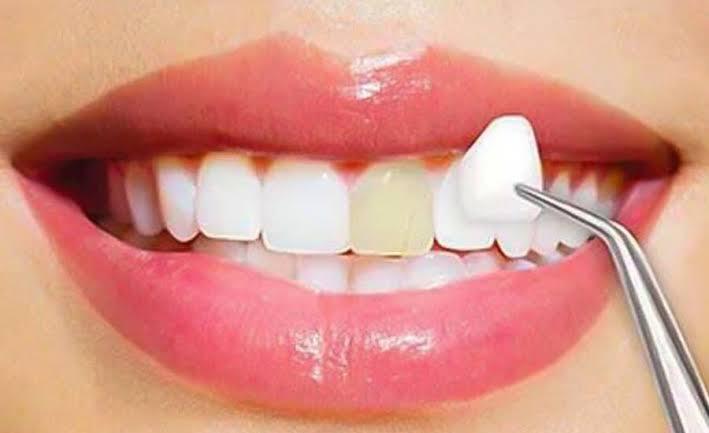
When talking with patients about their choices for a new smile, it is easy to hear three terms being used somewhat interchangeably—crowns, veneers, and bridges.
This article outlines the purpose, clinical indications, structural differences, advantages, and material options for each type of choice, and delivers long-term maintenance guidance.
It is not the intention of these three tools to be used as interchangeable, and rather to make it clear when and why a clinical team would recommend one over the other in the setting of restorative dentistry and cosmetic dentistry in Turkey in general.
A dental crown covers the entire visible portion of a tooth above the gum line, essentially replacing the outer structure while relying on whatever natural tooth remains underneath for support.
Crowns are usually placed when a tooth has a significant amount of structural harm due to decay, fracture, or a large filling that is unable to deliver enough structural support, or when a thin veneer would not deliver enough reinforcement.
Typically, the steps involved are reshaping the tooth to fit the crown, taking a digital scan or impression, and fitting the final crown – which is bonded permanently when it is confirmed fit and bite.
A dental veneer covers only the front surface of a tooth, offering a much thinner, more conservative layer compared with a full crown.
Veneers are ideal for those situations that are primarily cosmetic, to correct color, minor shape irregularities, small chips, or slight spacing questions, especially on the front teeth where more healthy structure would be lost with a full crown.
The preparation of veneers typically requires very little removal of the anterior tooth surface, a digital scan or impression, and bonding of the custom-made veneer after the examination of tooth color and shape with the patient.
A dental bridge is a structure that is used to replace one or more missing teeth by fastening a replacement tooth (or teeth) to the teeth or the implants on either side of the difference.
Bridges suit patients missing one or more teeth in a row who have healthy supporting teeth or implants available on either side to anchor the restoration.
Preparation depends on the anchor type. In the case of tooth-supported bridges, the anchor teeth are reshaped like the same way a crown is shaped, and in the case of implant-supported bridges, the bridge will be attached directly to the implants previously placed, before being bonded or secured in place.
The clearest way to understand these three options involves picturing how much of the tooth structure each one covers or replaces.
A crown is used to treat a whole tooth, extending from the gum line to the top. Only the front surface is covered by a veneer.
A bridge is a restoration that is used to replace a missing tooth without covering an existing tooth at all.
When a tooth is structurally sound, it is always best to opt for the option that can achieve the clinical goal with the least amount of coverage; hence, a veneer is preferred over a crown, and vice versa for the case where the tooth requires more extensive reinforcement.
A common indication for a crown is extensive decay that cannot be treated with a filling, a cracked or fractured tooth, a tooth that has had root canal treatment, or a cosmetic reshaping of a very harmed tooth.
Discoloration resistant to whitening, minor chips or wear on front teeth, slightly uneven tooth shape, and small spacing irregularities represent common indications for veneers.
A single missing tooth with healthy neighboring teeth, several missing teeth in a row, and cases where a patient prefers a fixed rather than removable replacement option all represent common indications for a bridge.
Crowns can be used to support a weak or broken tooth, preventing the need for extraction. The downside to the tradeoff is that it will take off more of the natural tooth structure than a veneer will.
Veneers support retaining a lot more of the natural tooth structure and can give excellent esthetic outcomes for front teeth.
Tooth-supported, bridges are a fixed solution to missing teeth that does not require surgery. Tooth-supported bridges do require some reshaping of healthy neighboring teeth that some patients would prefer to avoid in favor of the alternatives of implant-supported bridges.
The two most popular materials for crowns are ceramic, porcelain fused to a metal substructure, and zirconia, which deliver different strengths and natural appearance depending on the location of the tooth and what the patient is looking for.
Porcelain is the most common material that is used to create a veneer because of its aesthetic qualities and durability, while composite resin can be used for a conservative and less expensive option.
Bridge materials are typically similar to crown material options, with the bridge being made up of a series of crown-like components; both zirconia and porcelain-fused are common types depending on the location and the load that the bridge has to bear.
Brush, floss, and maintain all three options consistently around all restorations, paying special attention to the margin, where the restoration is adjacent to the natural tooth or gum, which assists in ensuring the success of the restoration in the long term.
Professional cleaning and check-up appointments are scheduled regularly to allow the clinical staff to monitor the condition of the crowns, veneers, and bridges and catch any early signs of wear or change of the margin before it gets worse.
Limiting excessive forces on restorations (such as biting hard objects) and using a night guard when grinding has been identified will supports ensure long-term success of any restorative option.
Discuss the current structural condition of the tooth in question
Ask whether a more conservative option, such as a veneer, remains suitable
Review material choices and their tradeoffs for your specific location in the mouth
Clarify whether tooth-supported or implant-supported bridge options apply to your case
Confirm the expected long-term maintenance routine for your chosen restoration
Initial evaluation and digital scan or impression: one visit
Tooth preparation, when applicable: same visit or a separate appointment
Fabrication of the custom restoration: several days to a few weeks depending on method
Final placement and bite adjustment: one visit
Follow-up review: scheduled shortly after placement
There is little recovery time after placement of crowns, veneers, or bridges, with only mild sensitivity around a prepared tooth that generally subsides within a few days after the appointment.
Dental Crowns in Turkey cover an entire tooth and suit significant structural compromise
Dental veneers in Turkey cover only the front surface and suit primarily aesthetic goals
Dental bridges in Turkey replace missing teeth using neighboring structures for support
Choosing the most conservative option that meets the clinical goal preserves natural tooth structure
Material choice balances strength and natural appearance based on tooth location
Long-term success across all three depends heavily on consistent home care and professional monitoring
Each one of these options, be it Crowns, veneers, or Bridges, serves a specific purpose and combines a particular structural requirement with an aesthetic objective in the field of restorative and cosmetic dentistry in Turkey.
Patients can then engage in meaningful conversations with their healthcare deliver, requesting more detailed information on the best treatment for their particular tooth and the desired outcome.
Each of these restorative tools can deliver long-lasting, natural results when used with the proper materials and proper maintenance.
Read our detailed guide and get to know why early tooth replacement assists in protecting jawbone, bite, and overall oral health.
The decision depends primarily on how much structural support the tooth currently has, a factor the clinical team assesses through examination and imaging before recommending either option.
No, bridges are fixed in place, either bonded to neighboring teeth or secured to implants, distinguishing them from removable denture options.
With consistent care and regular professional monitoring, porcelain veneers often last many years, though exact longevity varies based on individual habits and maintenance.
Yes, a bridge can span multiple missing teeth when adequate support exists on either side, whether from natural teeth or implants.

Choose a test user to login and take a site tour.


