
Blogs » Arts & Culture » How Dentistry in turkey Supports Modern Dental Care for UK Patients?
Posted by Ultra Dental 8 hours ago
Filed in Arts & Culture 21 views
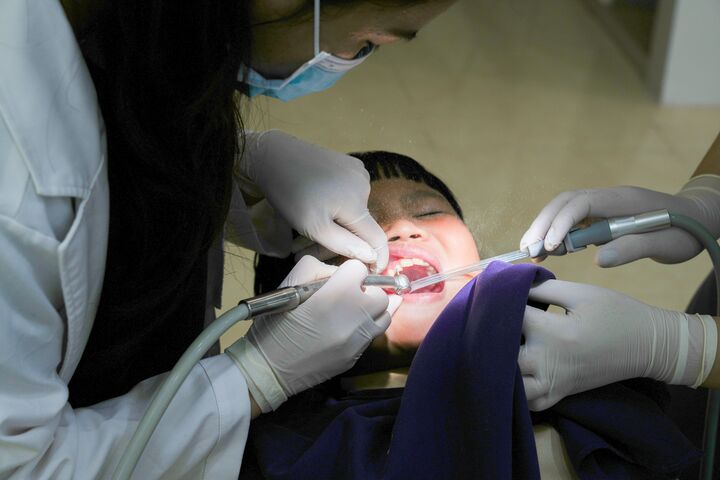
Choosing dental treatment abroad has become an informed decision for many people across the United Kingdom. Patients now evaluate clinical expertise, advanced technology, personalised care, and treatment quality before selecting a destination. Dentistry in turkey has earned international recognition by combining modern techniques with patient-focused treatment planning and experienced dental professionals. This approach allows individuals to receive comprehensive care designed to improve oral health, restore confidence, and create long-lasting smiles.
As dentistry continues to evolve, patients benefit from digital innovations, minimally invasive procedures, and carefully structured treatment plans that prioritise both function and aesthetics. Understanding how modern dental care works allows UK patients to make confident and well-informed healthcare decisions.
Dental care today extends far beyond treating individual teeth. Contemporary dentistry places equal importance on prevention, early diagnosis, smile aesthetics, and long-term oral health. Every patient receives an individual assessment that considers lifestyle, dental history, bite alignment, and future treatment goals before any procedure begins.
This personalised approach creates treatment plans that suit each patient's unique needs while encouraging healthier oral habits for years to come. Patients also gain a better understanding of their dental condition through detailed consultations and digital visualisation tools.
A successful dental journey always begins with accurate diagnosis. Experienced clinicians perform detailed examinations using modern digital technology to evaluate teeth, gums, jaw structure, and overall oral health before recommending treatment.
These comprehensive assessments allow dentists to identify the most suitable treatment pathway while considering both immediate requirements and future oral wellness. Careful planning also creates realistic expectations regarding treatment stages, recovery, and maintenance, giving patients greater confidence throughout the process.
Technology has become one of the most valuable advancements in contemporary dental care. Many leading clinics integrate digital systems that improve precision, patient comfort, and treatment efficiency.
Modern technologies commonly include:
These innovations support accurate diagnosis, customised restorations, and predictable clinical outcomes while reducing treatment complexity.
One of the strongest foundations of modern dental care is prevention. Regular examinations and professional hygiene appointments allow dentists to monitor oral health and identify changes at an early stage.
Preventive care often includes:
Maintaining healthy daily habits contributes to stronger teeth, healthier gums, and improved long-term dental wellbeing.
Many patients seek treatment to improve the appearance of their smile while maintaining natural facial harmony. Cosmetic dentistry focuses on creating balanced, healthy-looking results rather than artificial transformations.
Popular cosmetic procedures may include:
Every treatment is carefully planned to complement facial features while preserving natural tooth structure whenever possible.
Modern restorative dentistry aims to restore damaged or missing teeth while improving everyday comfort and oral function. Treatment plans are tailored according to each patient's individual clinical needs.
Common restorative solutions include:
These procedures strengthen oral health while creating smiles that feel comfortable and appear natural.
Continuous education remains essential in modern dentistry. Leading clinicians regularly attend international conferences, specialist training programmes, and advanced clinical workshops to remain current with evolving treatment techniques.
Ongoing professional development allows dentists to combine scientific knowledge with practical experience when planning personalised treatments. Patients benefit from clinicians who remain committed to clinical excellence, evidence-based dentistry, and modern healthcare standards.
Every patient arrives with different oral health conditions, smile expectations, and lifestyle requirements. For this reason, personalised treatment planning has become one of the defining characteristics of quality dental care.
Dentists carefully consider several important factors, including:
This tailored approach supports comfortable treatment while producing natural-looking and durable results.
Understanding every stage of treatment allows patients to make informed healthcare decisions. Professional dental teams explain diagnoses, available options, expected outcomes, and aftercare recommendations using clear and accessible language.
Patients also receive opportunities to ask questions throughout the consultation process. Transparent communication encourages trust while ensuring every treatment recommendation aligns with individual expectations and oral health objectives.
Modern dental clinics recognise the importance of creating welcoming surroundings that promote relaxation and reassurance. Organised appointment scheduling, attentive clinical staff, and thoughtfully designed treatment rooms contribute to a positive patient experience.
Comfort extends beyond the physical environment through respectful communication, personalised care, and continuous support throughout every appointment. A calm clinical atmosphere allows patients to approach treatment with greater confidence and peace of mind.
Completing treatment marks the beginning of maintaining a healthy smile. Dentists encourage patients to follow personalised oral hygiene routines that preserve natural teeth and restorations over time.
Daily brushing, cleaning between teeth, regular dental examinations, and professional hygiene appointments all contribute to long-term oral wellness. Consistent maintenance supports healthy gums, comfortable function, and attractive smiles for many years after treatment has been completed.
Selecting a dental clinic should involve thoughtful comparison rather than quick decisions. Patients benefit from evaluating clinical experience, technology, patient reviews, hygiene standards, communication quality, and treatment planning before confirming their choice.
Researching these areas allows individuals to identify clinics that prioritise personalised care and evidence-based dentistry. A well-informed decision creates the foundation for a successful treatment journey and long-term satisfaction.
Modern Dentistry in turkey continues to attract UK patients through its combination of advanced technology, experienced dental professionals, comprehensive treatment planning, and patient-centred care. Contemporary dentistry focuses on prevention, precision, education, and long-term oral health while creating natural-looking smiles that support everyday confidence.
Patients who take time to understand their treatment options, research experienced clinics, and maintain healthy oral habits can enjoy lasting benefits from modern dental care. A carefully planned treatment journey contributes to improved oral function, enhanced aesthetics, and greater confidence for years to come.
Many patients value modern technology, experienced clinicians, personalised treatment planning, and comprehensive dental services designed to support long-term oral health.
Modern dentistry combines digital technology, preventive care, minimally invasive techniques, and personalised treatment planning to improve both patient comfort and clinical outcomes.
Dental clinics commonly offer preventive dentistry, cosmetic procedures, restorative treatments, dental implants, crowns, bridges, orthodontics, and professional oral hygiene services.
Preventive care supports healthy teeth and gums by identifying potential concerns early while encouraging strong daily oral hygiene habits.
Digital imaging and computer-assisted planning improve diagnostic accuracy, treatment precision, patient communication, and overall clinical efficiency.
Daily brushing, interdental cleaning, balanced nutrition, regular dental examinations, and professional cleaning appointments contribute to long-term oral health and lasting treatment success.
Patients should review dentist qualifications, clinical experience, available technology, patient testimonials, hygiene protocols, communication standards, and personalised consultation processes before making their decision.

Choose a test user to login and take a site tour.


